
How to Use a Shaving Brush: The Ritual of Traditional Shaving


A shaving brush is one of the most recognizable tools of traditional wet shaving.
It does more than simply spread soap or cream. It helps prepare facial hair, build lather, and create an even protective layer between the skin and the blade.
Used properly, it can make shaving more comfortable while turning an everyday task into a more considered personal ritual.
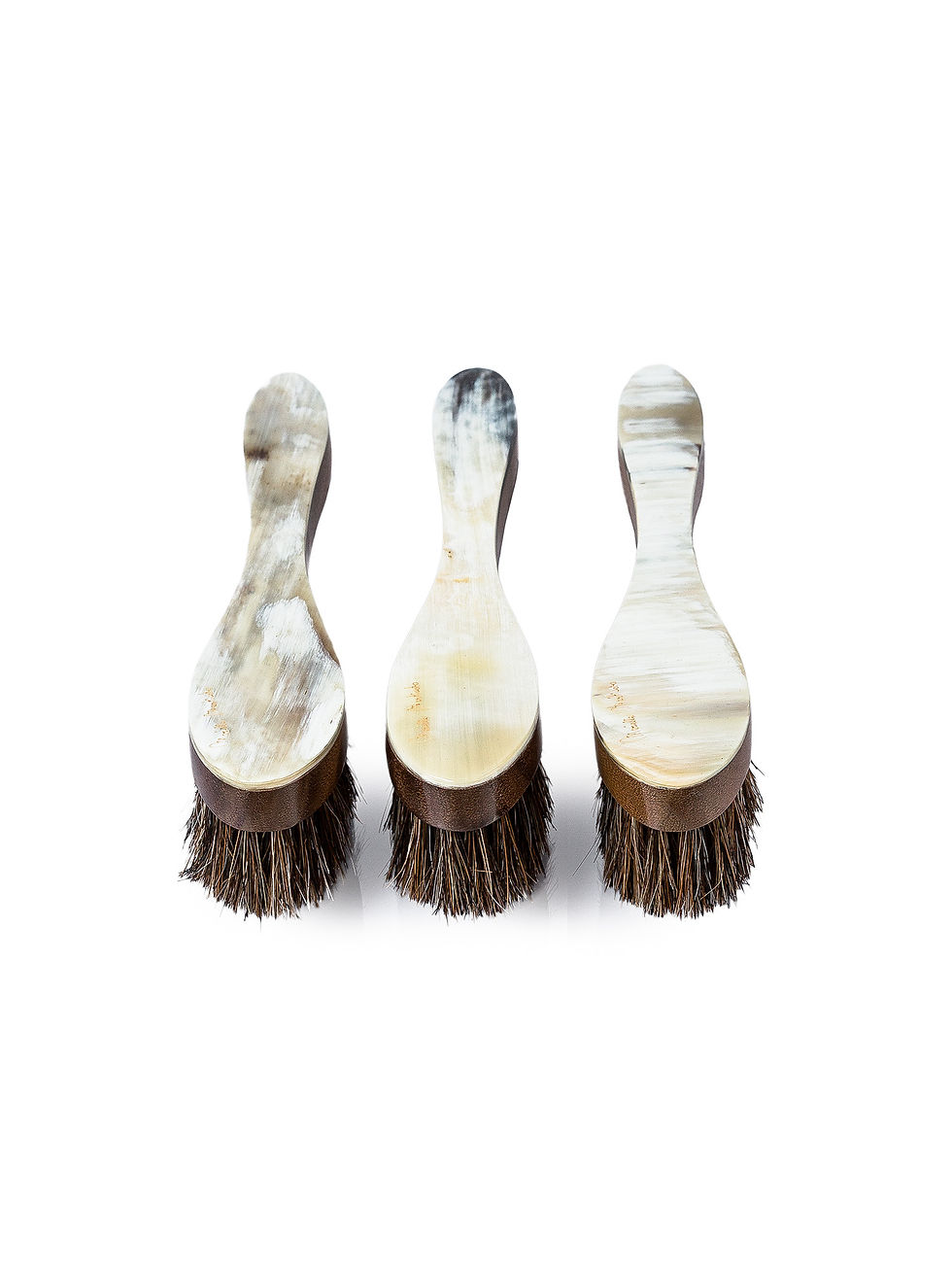
This is the idea behind Martinato shaving brushes, crafted with materials such as genuine horn and fine woods to combine function, craftsmanship, and timeless elegance.
What Does a Shaving Brush Actually Do?
A shaving brush serves several purposes:
distributes shaving soap or cream evenly;
lifts facial hair before shaving;
helps build a richer lather;
creates a more uniform layer between skin and blade.
In traditional shaving, the brush is therefore a functional part of preparation rather than a purely decorative accessory.
How to Choose a Good Shaving Brush
Three factors are especially important:
Bristle typeNatural and synthetic fibers offer different levels of softness, flexibility, and water retention.
DensityA dense knot can create a fuller sensation when working with soap or cream.
HandleThe shape and material should provide a secure, comfortable grip.
Martinato creates shaving brushes with handles crafted from genuine horn and selected woods, combining usability with distinctive natural materials.
Explore them in the Martinato Collection.
Why Is Silvertip So Highly Regarded?
Silvertip is one of the most appreciated traditional shaving brush grades.
The fibers are known for their lighter tips and particularly soft feel against the skin.
A quality Silvertip brush combines:
softness at the tips;
good water retention;
enough flexibility to work soap and cream;
a comfortable feel during application.
Martinato uses Silvertip knots in several of its shaving brushes, including models crafted from genuine horn and fine woods.
How to Use a Shaving Brush Properly
1. Wet the Brush
Before shaving, soak or rinse the brush in warm water.
With natural fibers, one or two minutes is generally sufficient to hydrate the bristles. Avoid very hot or boiling water, which can damage natural fibers over time.
Shake away excess water before loading the brush.
The knot should be damp rather than dripping wet.
2. Load the Soap or Cream
If using hard shaving soap, gently swirl the brush over the surface until enough product has been collected.
With shaving cream, you can:
place a small amount in a bowl;
apply it directly to the brush;
or spread it onto the face before working it into a lather.
You usually need less product than expected.
3. Build the Lather
You can build lather either in a bowl or directly on the face.
In a bowl, work the product with circular motions until it becomes creamy and consistent.
With face lathering, the brush builds the lather directly into the beard while helping lift the hair.
If the lather feels too dry, add a few drops of water.
If it becomes too thin, continue working it or add a little more product.
4. Apply Without Excessive Pressure
There is no need to push the brush hard against the face.
Use gentle circular motions, then finish with lighter painting strokes to create an even layer.
The goal is consistent coverage rather than pressure.
5. Shave
Once the beard is properly prepared, continue with your preferred razor.
Good preparation can help create a more comfortable shaving experience.
For a complete step-by-step guide, read How to Shave Properly with a Razor.
Martinato razors are available in materials including genuine horn, olive wood, wenge, maple, Japanese bamboo, and Malacca.
Bowl Lathering or Face Lathering?
Neither method is universally better.
Bowl lathering gives you more control over texture before the product reaches the skin.
Face lathering makes the brush more directly involved in preparing the beard.
Many traditional shaving enthusiasts use both depending on the soap, cream, or amount of time available.
How to Clean a Shaving Brush
After shaving:
rinse thoroughly with warm water;
remove all soap residue;
gently shake away excess water;
never twist or wring the knot;
allow it to dry in a well-ventilated place.
The original Martinato guide also recommended allowing the brush to dry with the bristles facing downward on a dedicated stand.
Most importantly, do not leave the brush permanently damp.
How to Store a Shaving Brush
Once dry, keep it in a ventilated and relatively dry environment.
Avoid:
closed containers while the brush is still wet;
excessive humidity;
direct heat;
prolonged exposure to strong sunlight.
Handles made from genuine horn or wood should also not be left soaking in water.
Why Choose a Handcrafted Shaving Brush?
The difference is found in the details.
Handle shape, balance, knot density, material quality, and finishing all affect the experience of using the brush.
Natural materials such as genuine horn and fine woods also add something that industrially uniform materials cannot reproduce perfectly: each piece has its own grain, shades, and character.
Explore Martinato handcrafted shaving accessories.
Genuine Horn or Wood?
The choice is largely personal.
Genuine horn offers naturally different colors and patterns, making every handle visually unique.
Fine wood offers warmth and distinctive grain depending on the species.
Martinato shaving brushes include handles made from materials such as Italian olive wood, wenge, maple, zebrawood, and genuine horn.
Functionally, both can provide an excellent grip.
The main difference is character.
A Shaving Brush as a Gift
A well-made shaving brush also makes a distinctive gift.
It is personal without being overly complicated to choose and can be paired with a razor or complete shaving set.
For a more complete option, Martinato also offers shaving sets combining a genuine horn razor, shaving brush, and leather travel case.
Explore the Martinato Gift Ideas.
Turning Shaving Into a Ritual
The value of a shaving brush is not only in the final result.
It is also in the process.
Taking a few minutes to build lather, prepare the beard, and use carefully selected tools changes how shaving feels.
An automatic daily task becomes a moment dedicated to yourself.
This is traditional shaving according to Martinato: everyday function, distinctive materials, and attention to detail.
Since 1980, the philosophy has remained the same.
Making everyday objects feel special.


Comments